
If you’re a podcaster, streamer, or content creator in New Zealand, good audio quality isn’t optional anymore — it’s expected. The good news? In 2026, you don’t need a radio studio or a massive budget to sound professional.
Based on hands-on testing, customer feedback, and real-world use cases, we’ve put together this guide to the top 5 affordable microphones for podcasters and streamers. These are reliable options we stock, trust, and recommend for Kiwi creators who want excellent value without overpaying.
What to Look for in a Microphone (Quick Expert Overview)
Before diving into the list, here’s what actually matters:
-
Connection type: USB mics are easiest for beginners; XLR offers more upgrade flexibility.
-
Pickup pattern: Cardioid is ideal for podcasting and streaming, as it focuses on your voice and reduces background noise.
-
Use case: Streaming, voiceovers, gaming, or interviews all have slightly different needs.
-
Room conditions: If you don’t have a treated room, mic choice matters even more.
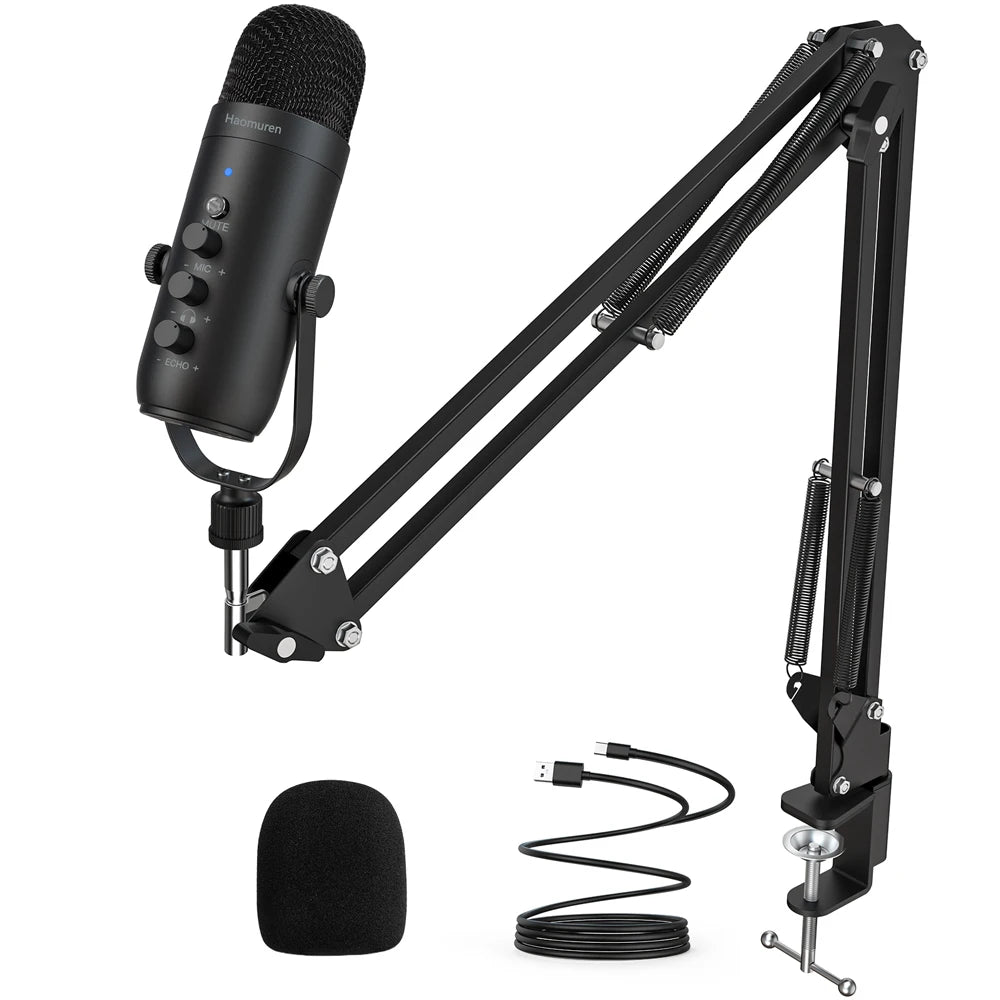
1. USB Condenser Microphone with Pop Filter
Best for: Beginners and home podcasters
Connection: USB
Why it’s popular: Plug-and-play simplicity
This is one of our best-selling microphones for first-time podcasters. It delivers clean, clear vocal capture without needing an audio interface. The included pop filter helps reduce plosives, making it forgiving in untreated rooms.
Why it’s great value for Kiwis: Affordable, easy to set up, and compatible with both Windows and macOS — perfect for starting out.
2. RGB USB Gaming & Streaming Microphone
Best for: Streamers and gamers
Connection: USB
Standout feature: Built-in RGB lighting and tap-to-mute
Designed with streamers in mind, this microphone combines solid audio quality with visual appeal. It’s popular with Twitch and YouTube creators who want their setup to look as good as it sounds.
Why creators love it: Clear voice pickup, simple controls, and no extra gear required.
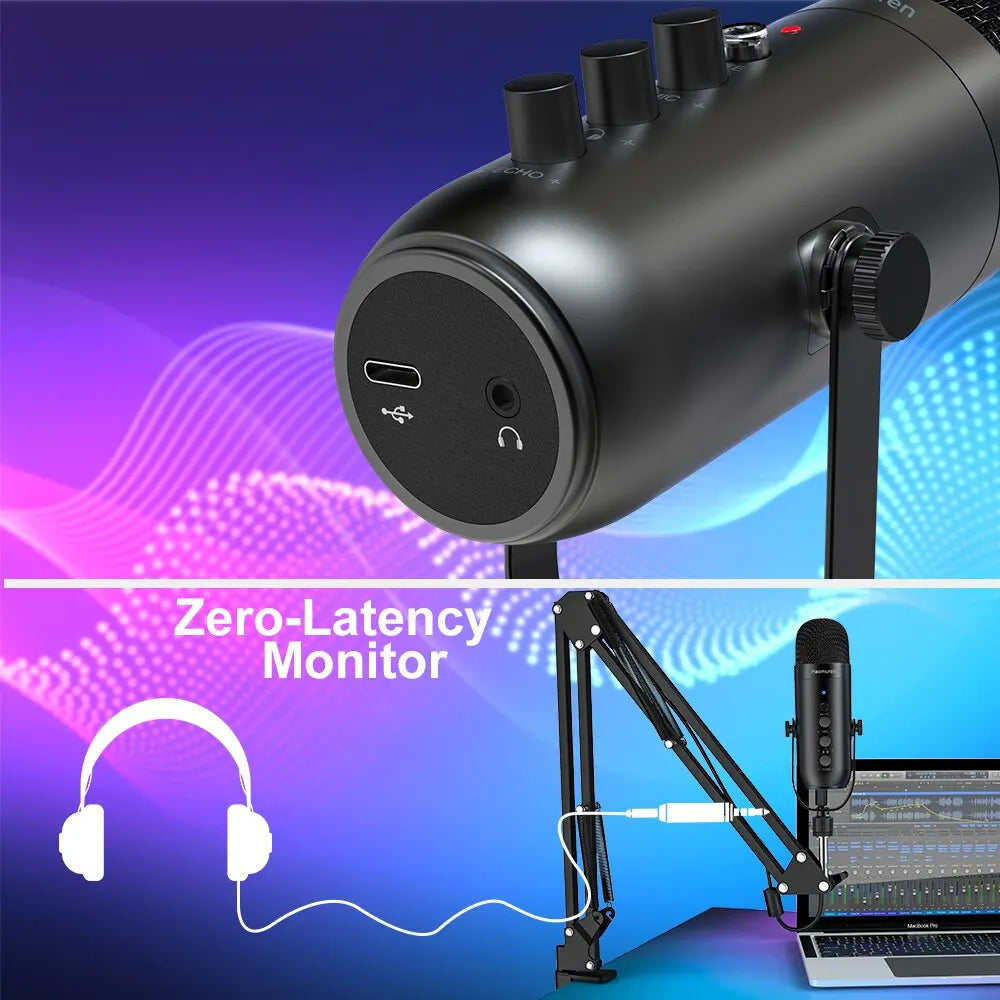
3. Dynamic USB/XLR Hybrid Microphone
Best for: Upgrading creators and noisy environments
Connection: USB & XLR
Why it stands out: Versatility and background noise control
Dynamic microphones are less sensitive to room noise, making them ideal if you’re recording in a shared space. This hybrid model lets you start with USB and move to XLR later without replacing your mic.
Expert tip: If you stream in an apartment or near traffic, dynamic mics are often the smarter choice.
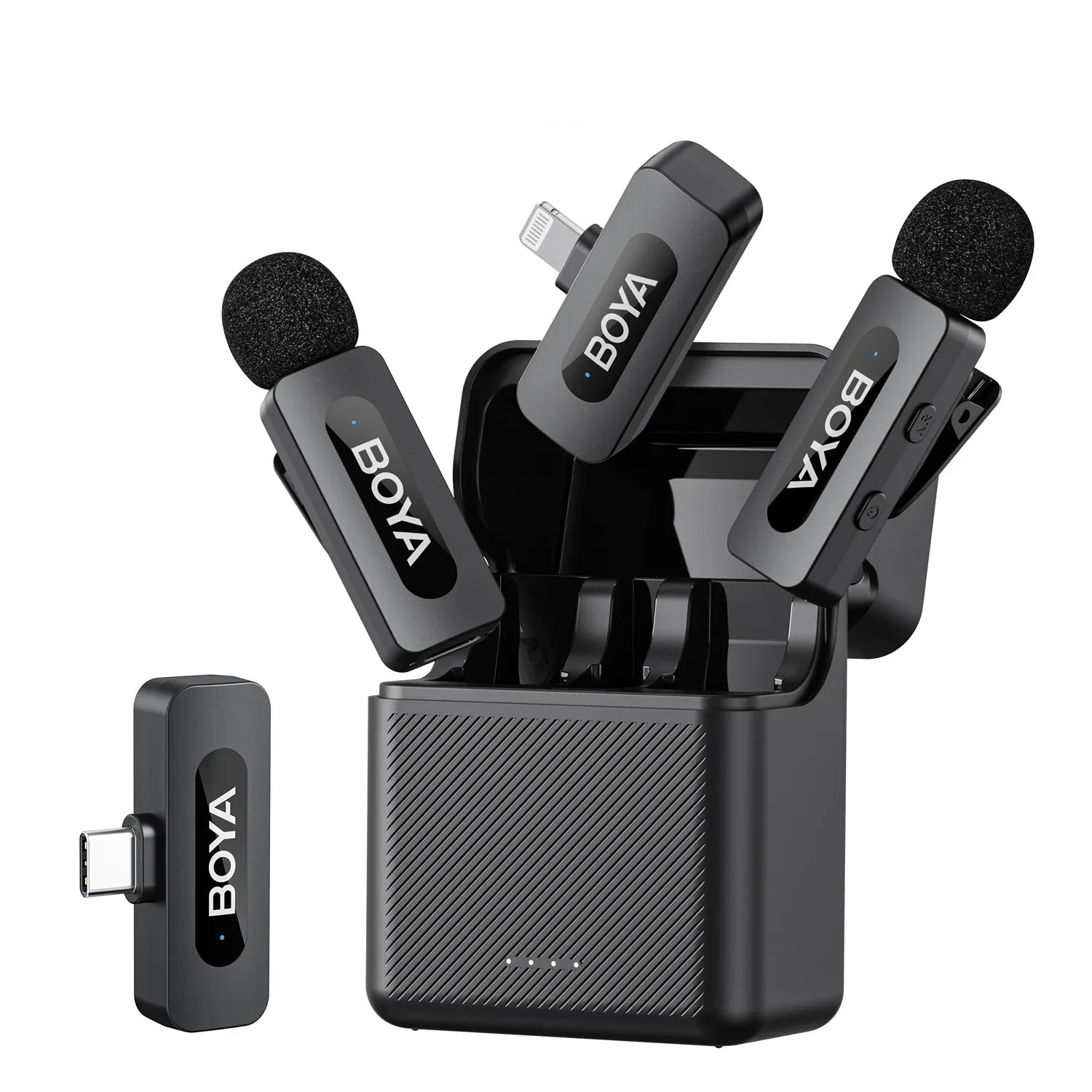
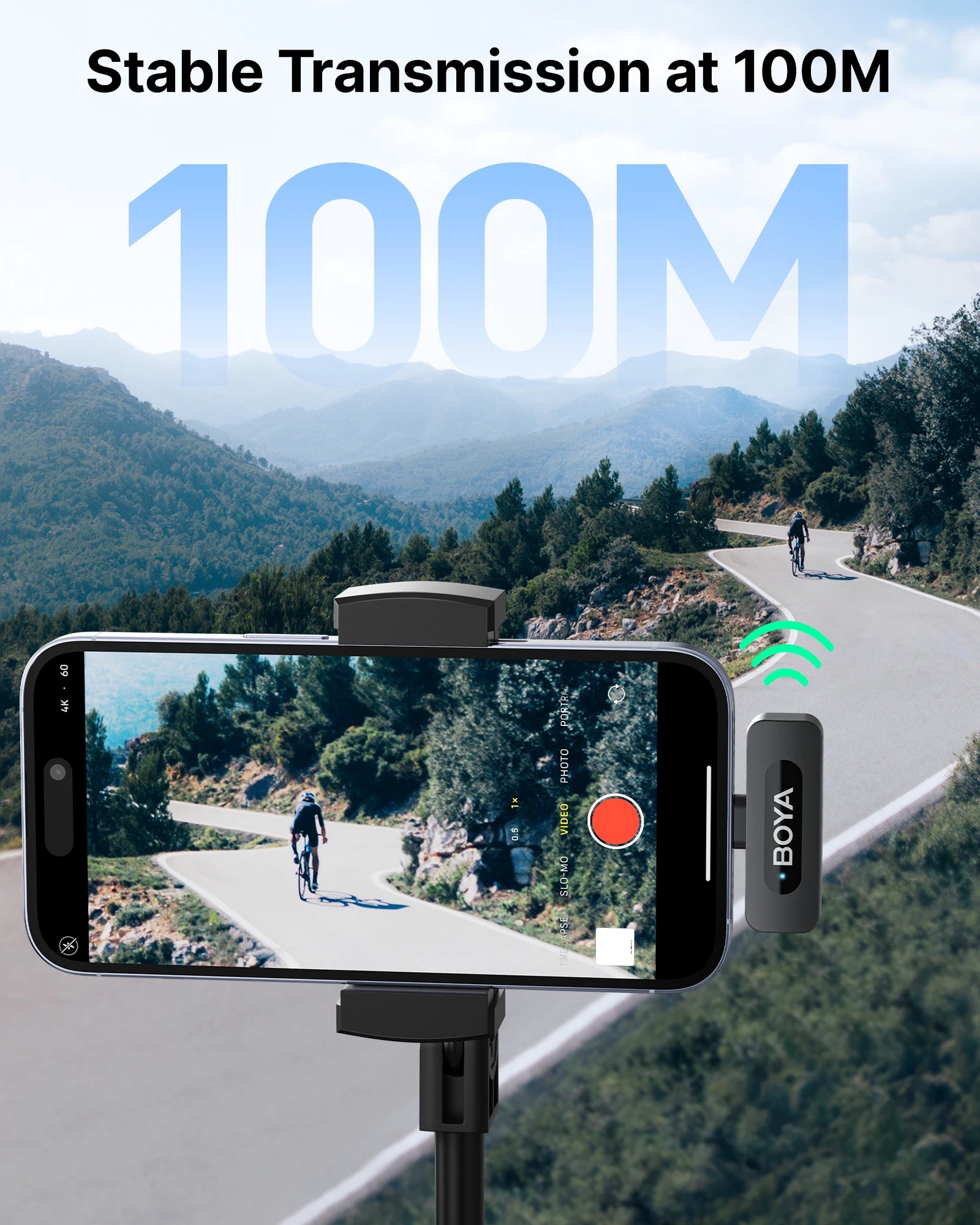
4. Compact Lavalier (Clip-On) Microphone
Best for: Interviews, mobile content, and video creators
Connection: 3.5mm / USB-C (model dependent)
Why it’s useful: Discreet and portable
Lavalier microphones are perfect for creators who record on the go or need hands-free audio. They’re widely used for interviews, TikTok, and YouTube shorts.
Why it’s a great budget option: Extremely affordable and surprisingly clear when positioned correctly.
5. Entry-Level XLR Condenser Microphone
Best for: Studio-style podcasts and voiceovers
Connection: XLR (audio interface required)
Why it’s trusted: Rich, broadcast-style sound
For creators ready to take audio quality seriously, this microphone delivers warm, detailed vocals at a fraction of the price of pro studio gear.
From our experience: Paired with a basic audio interface, this setup rivals far more expensive rigs.
Side-by-Side Comparison (Quick Guide)
-
Best beginner mic: USB condenser
-
Best for streaming: RGB USB microphone
-
Best for noisy rooms: Dynamic USB/XLR mic
-
Best portable option: Lavalier mic
-
Best studio sound on a budget: XLR condenser
Final Thoughts from Our Audio Team
We work with microphones every day and see what customers actually succeed with. The “best” microphone isn’t the most expensive — it’s the one that suits your space, content style, and workflow.
If you’re a Kiwi creator looking for affordable, proven microphones that perform in real-world setups, these five options are a strong place to start.