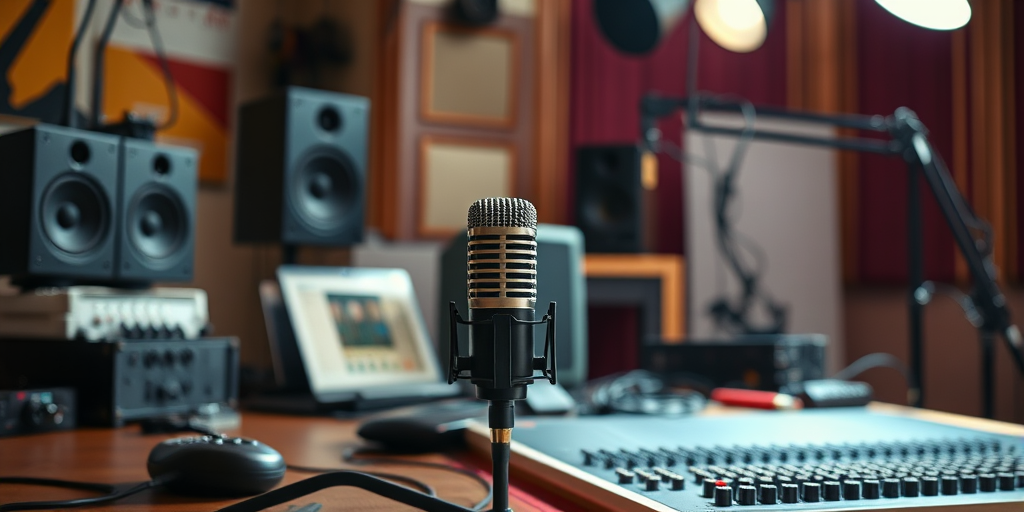
Audio gear is often grouped into one simple category: “good sound.” But in reality, there’s a major divide between consumer audio gear and creator-grade audio equipment. Understanding this difference is essential if you want to avoid overpaying for features you don’t need—or worse, underbuying and limiting your creative output.
Whether you’re listening to music casually or producing podcasts, videos, or music professionally, the type of gear you choose directly affects quality, workflow, and long-term results.
What Consumer Audio Gear Is Designed For
Consumer audio gear is built for ease, convenience, and enjoyment. It prioritises simplicity over technical control.
Typical examples include everyday headphones, Bluetooth earbuds, smart speakers, and basic laptop microphones.
Key characteristics include:
- Plug-and-play usability
- Emphasis on bass and “enhanced” sound profiles
- Wireless convenience and portability
- Limited customisation or control
- Optimised for streaming, music, and calls
This type of gear is ideal for listening to Spotify, watching YouTube, or joining video calls. It is designed to sound good quickly, without requiring any technical setup.
However, what you gain in simplicity, you lose in precision. Consumer gear often colours or compresses sound, which is fine for entertainment but not suitable for accurate audio work.
What Creator Audio Gear Is Designed For
Creator audio gear is built for accuracy, control, and professional output. It is designed for people who create content rather than just consume it.
This includes podcasters, musicians, streamers, video editors, and voiceover artists.
Typical creator equipment includes:
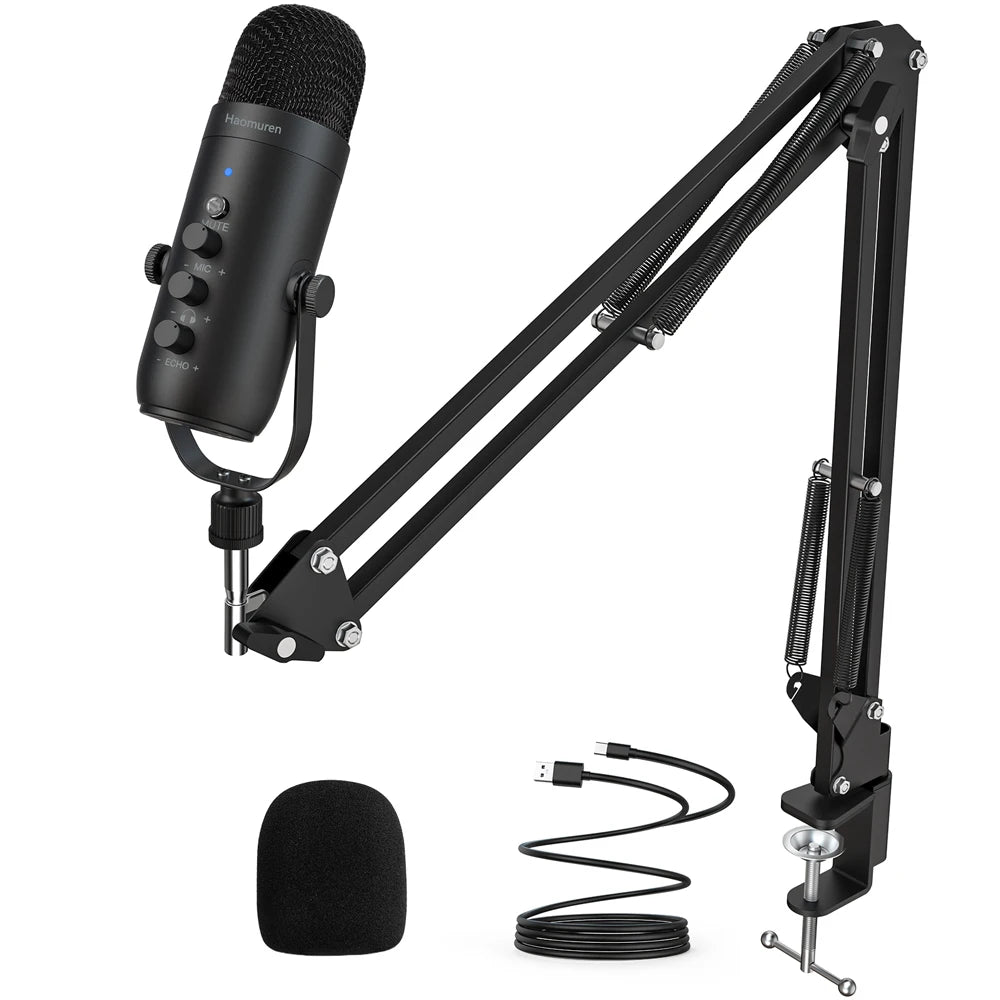
- Condenser and dynamic microphones
- Studio headphones with flat frequency response
- Audio interfaces and mixers
- Balanced XLR connections
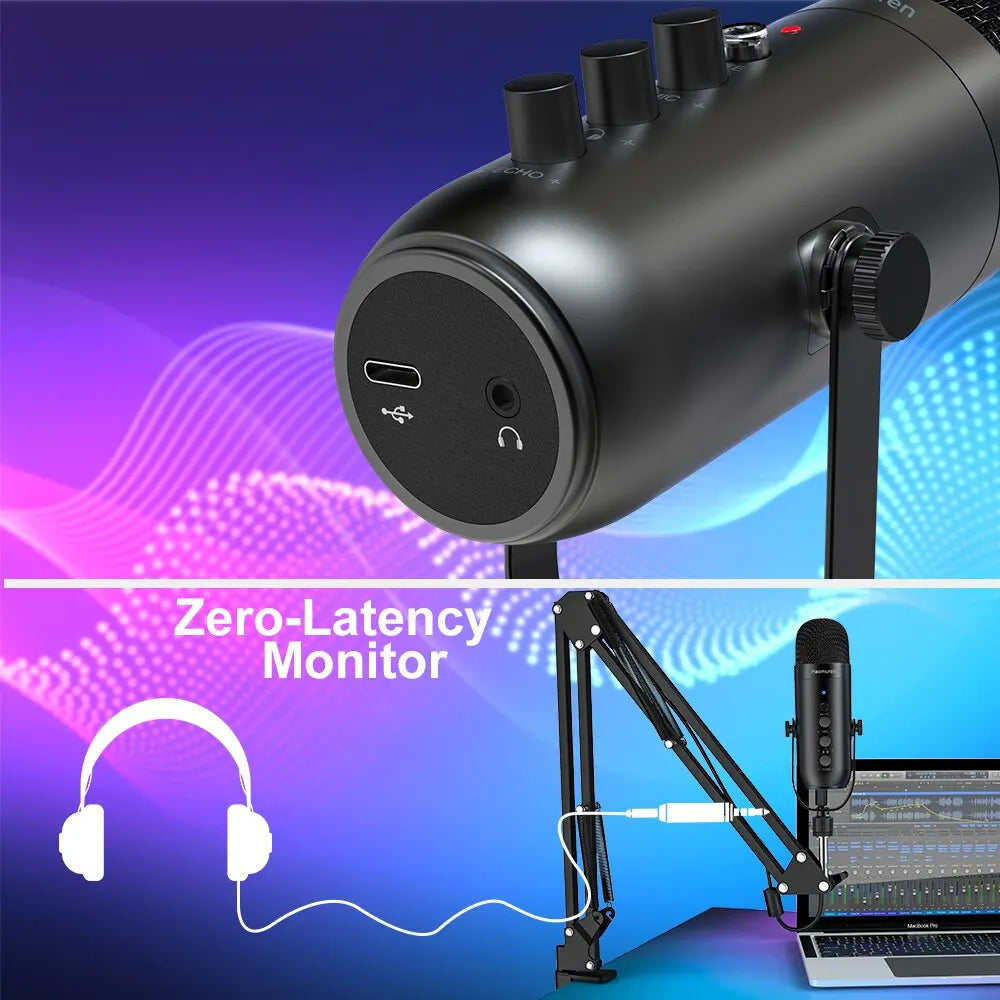
- Monitoring systems for real-time audio feedback
Unlike consumer gear, creator equipment aims for neutral and accurate sound reproduction. It reveals imperfections rather than hiding them, which is critical for editing, mixing, and producing professional content.
The Key Technical Differences That Actually Matter
The gap between consumer and creator gear is not just about price—it comes down to technical design.
1. Sound Accuracy vs Sound Enhancement
Consumer gear often boosts bass or treble for excitement. Creator gear aims for flat, uncoloured audio so creators can make precise editing decisions.
2. Connectivity and Signal Path
Consumer devices rely heavily on Bluetooth or 3.5mm jacks. Creator setups often use XLR, USB interfaces, and balanced signals for cleaner audio and less interference.
3. Latency and Monitoring
In content creation, even slight delay matters. Creator gear prioritises low-latency monitoring so users can hear themselves in real time without lag.
4. Build Quality and Longevity
Creator gear is designed for long sessions and repeated use. Consumer gear prioritises portability and mass-market affordability.
Why Many Beginners Choose the Wrong Setup
A common mistake is assuming that more expensive consumer headphones or earbuds will work for content creation. While they may sound impressive, they often hide audio flaws that become obvious during editing or publishing.
For example:
- A podcast recorded with a consumer mic may sound “okay” during recording but reveal background noise and room echo later
- Music mixed on bass-heavy headphones may sound unbalanced on other systems
- Voice recordings may lack clarity due to built-in compression
This is why creator-focused equipment exists—to remove guesswork and deliver consistent, reliable audio.
Where DECIBEL Fits Into the Creator Workflow
For creators looking to upgrade their setup, choosing the right ecosystem matters. DECIBEL’s range of audio equipment is designed with creators in mind, focusing on clarity, compatibility, and workflow efficiency.
Their creator-focused products typically include:
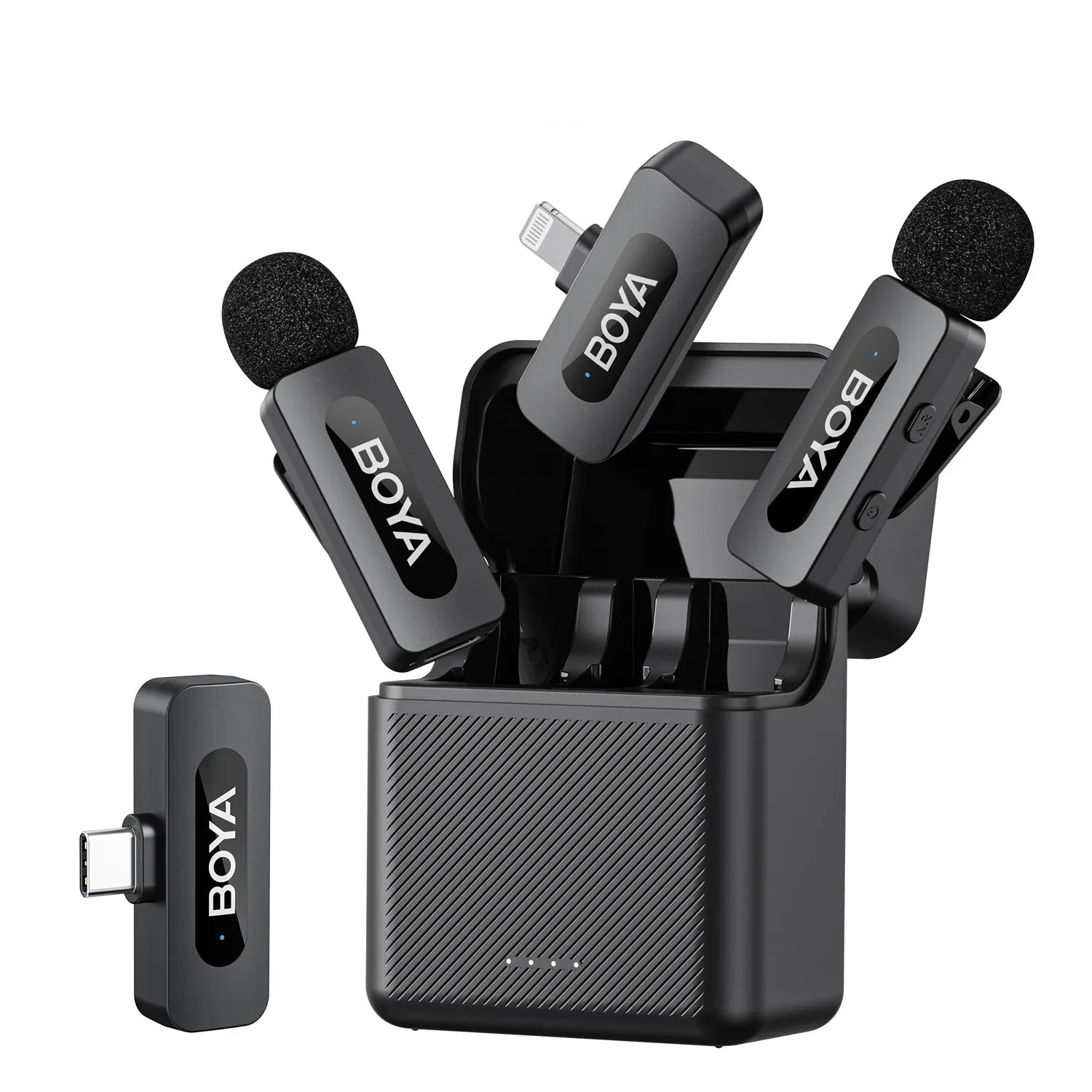
- Microphones designed for clear voice capture in untreated rooms
- Studio headphones that provide accurate monitoring without heavy sound colouring
- Audio interfaces that bridge professional microphones with everyday devices
By combining these tools, creators can build a setup that supports podcasting, streaming, content production, and music recording without unnecessary complexity.
The goal is not just better sound—but a more reliable and predictable workflow.
Consumer vs Creator: Which One Do You Need?
The answer depends entirely on your goal.
Choose consumer audio gear if you:
- Listen to music and watch content casually
- Want simple wireless convenience
- Don’t need editing or production accuracy
Choose creator audio gear if you:
- Record podcasts, videos, or voiceovers
- Produce or edit music
- Need accurate sound for professional output
- Want consistent results across different devices and platforms
Many users eventually transition from consumer to creator gear as their content ambitions grow.
Final Thoughts
The difference between consumer and creator audio gear comes down to intent: enjoyment versus production. Consumer devices are designed to make audio sound exciting and effortless, while creator tools are designed to make audio accurate and controllable.
Understanding this distinction helps you invest in the right equipment from the start, avoiding unnecessary upgrades or workflow limitations later.
For creators building reliable setups, DECIBEL offers audio solutions designed to support professional clarity, compatibility, and long-term performance—helping turn ideas into high-quality output.