In today’s connected world, audio devices are no longer isolated pieces of hardware. Headphones, speakers, microphones, gaming consoles, laptops, and smartphones all need to work together seamlessly. Yet one of the most overlooked factors when buying audio gear is compatibility—and it can make the difference between a flawless listening experience and constant frustration.
Whether you’re building a home studio, upgrading your gaming setup, or just improving everyday listening, understanding compatibility ensures you get the performance you’re paying for.
What “Compatibility” Really Means in Audio
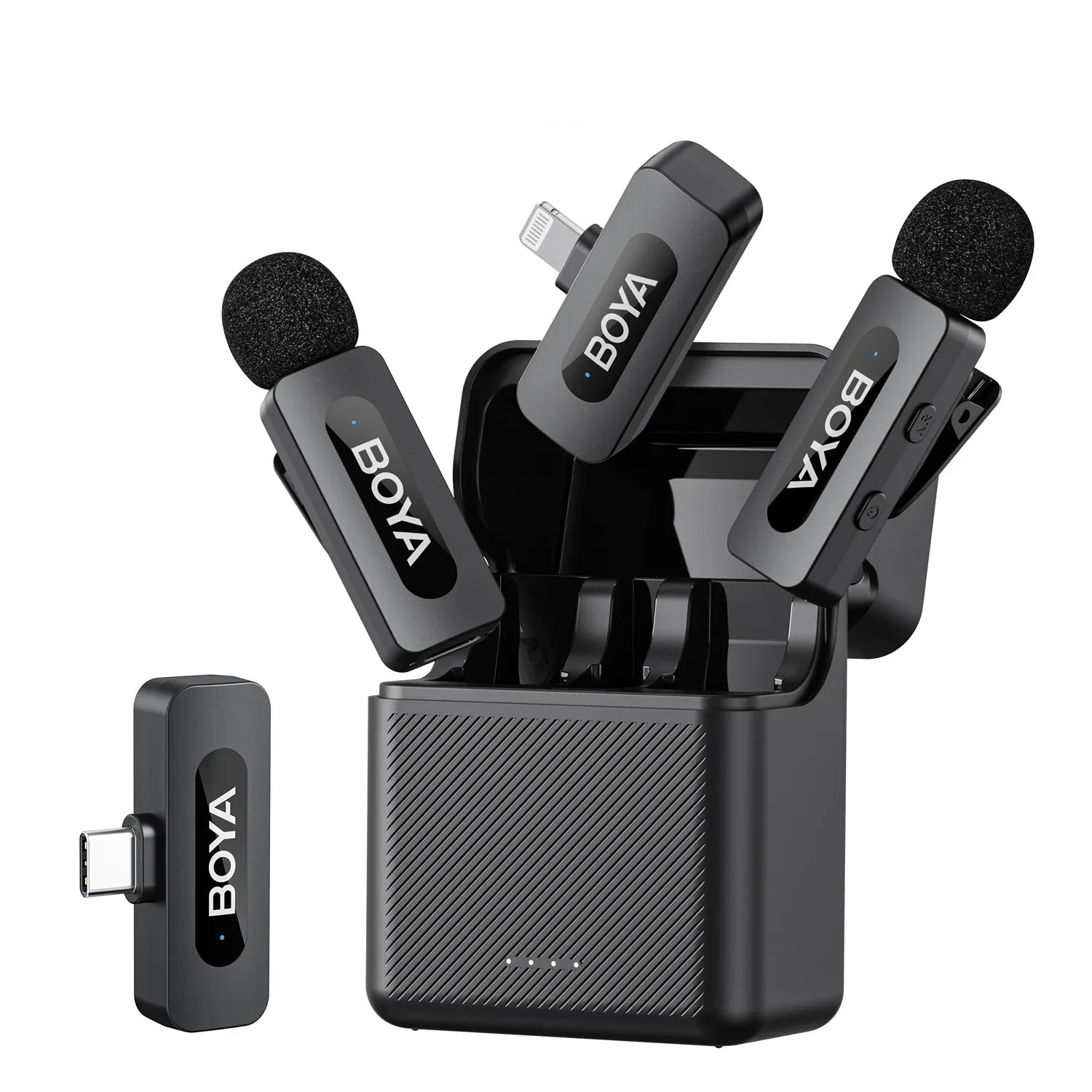
Audio compatibility refers to how well different devices can connect, communicate, and perform together. This includes connection types (3.5mm AUX, USB-C, Bluetooth, XLR), impedance matching between headphones and amplifiers, device software support (PC, Mac, PlayStation, mobile), and audio format support and signal conversion.
Even high-end gear can underperform if the connection chain is mismatched.
For example, plugging studio headphones into a low-powered laptop jack may result in weak volume and poor clarity—not because the headphones are bad, but because the system isn’t compatible in terms of power output.
The Hidden Performance Problem Most Buyers Miss
Many users assume that “any cable will work” or “Bluetooth is universal.” While devices may connect, they don’t always perform optimally together.
Common issues caused by poor compatibility include low volume or weak output, audio distortion at higher levels, microphone not being detected by devices, latency delays (especially in gaming or video calls), and loss of audio quality during signal conversion.
These problems are often mistaken for faulty gear, when in reality the issue is mismatched hardware or unsupported connections.
Wired vs Wireless: Choosing the Right Ecosystem
Both wired and wireless setups have strengths, but compatibility plays a key role in how well they perform.
Wired systems (USB, AUX, XLR) offer a more stable connection, lower latency, and are better for professional audio and streaming, but require correct ports and adapters.
Wireless systems (Bluetooth, RF) offer more convenience and portability, but can introduce latency or compression and depend heavily on codec compatibility such as SBC, AAC, or aptX.
If your devices don’t support the same Bluetooth codec or port type, performance can drop significantly—even with premium gear.
Why Adapters and Cables Matter More Than You Think
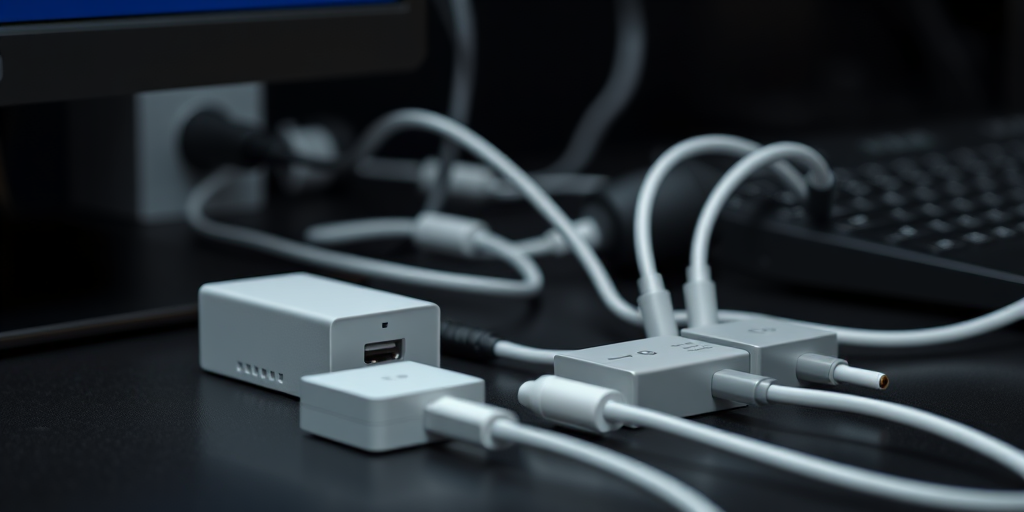
A strong audio setup is often held together by small but critical components: adapters and cables. These ensure that devices with different connection standards can still work together efficiently.
This is where brands like DECIBEL become important, offering practical solutions such as adapters, cables, and cross-platform compatible accessories designed to bridge the gap between devices.
Using the right adapter can convert USB-C to 3.5mm without losing clarity, connect gaming consoles to external audio systems, enable microphones to work across multiple platforms, and reduce signal loss and interference.
A high-quality cable is not just a connector—it’s part of the signal path.
Real-World Example: Gaming and Streaming Setups
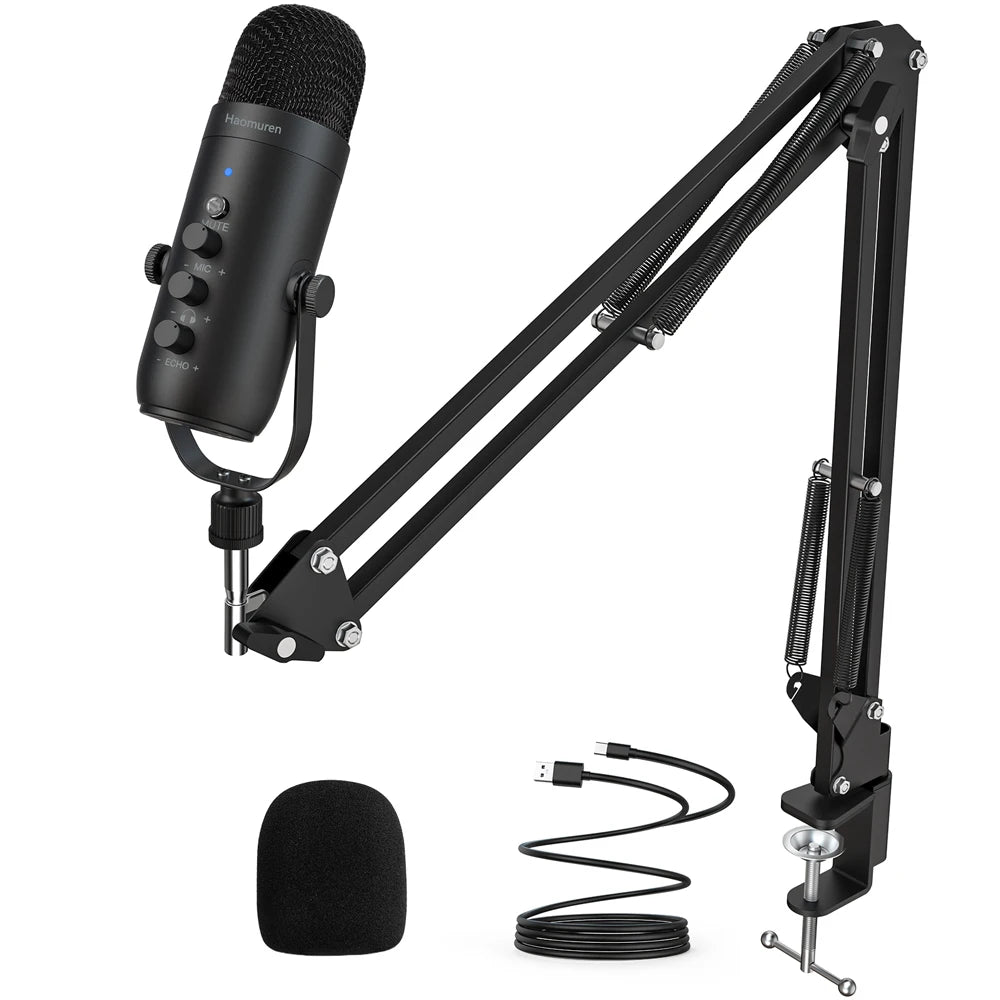
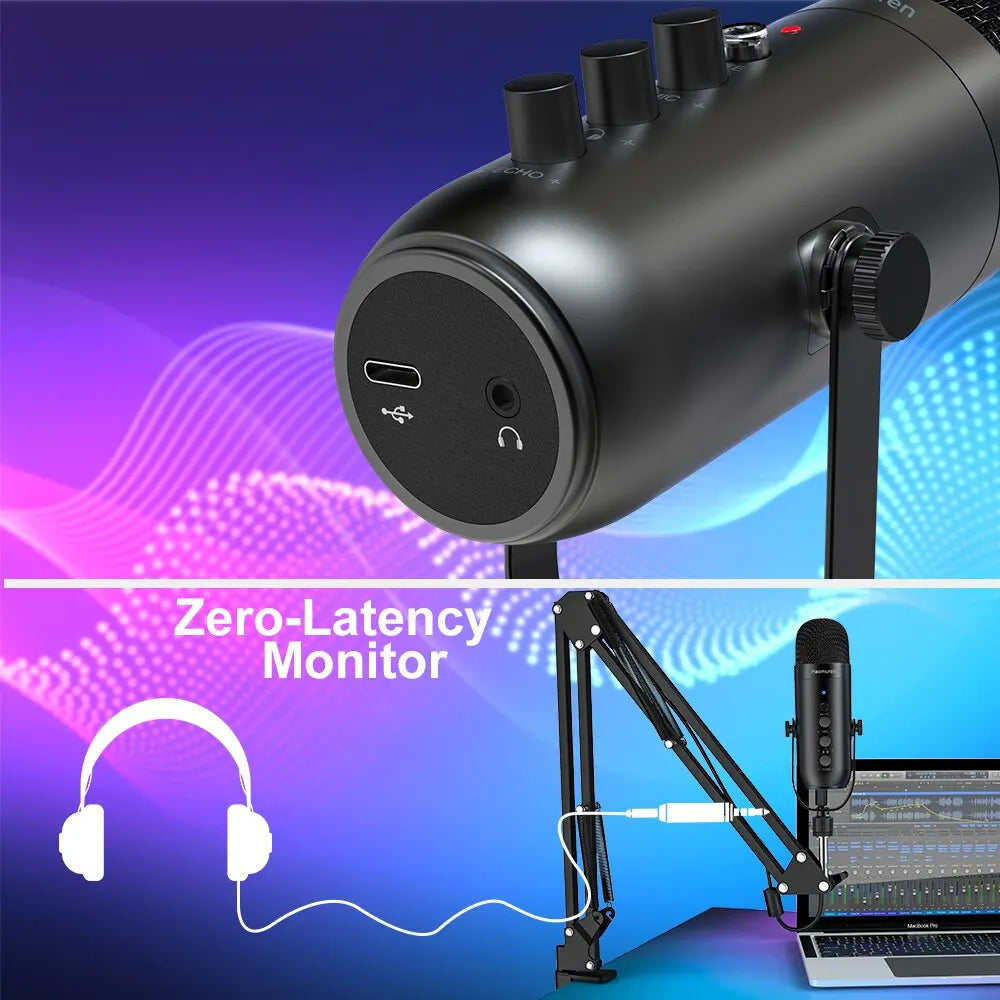
A common scenario is a gamer trying to use a USB microphone on both PC and PlayStation. Without compatibility planning, they may run into issues like a microphone only working on one device, headset mic conflicting with external mic input, or audio monitoring not functioning correctly.
The solution often isn’t buying more expensive gear—it’s ensuring the right combination of interfaces, cables, and adapters so everything communicates properly.
How to Check Compatibility Before You Buy
Before purchasing any audio equipment, consider what devices you will connect it to, what ports those devices actually have, whether you need adapters or converters, whether software support is required, and whether you plan to expand the setup later.
A small amount of planning can prevent expensive mismatches and returns later.
Final Thoughts
Audio performance isn’t just about brand, price, or specifications—it’s about how well everything works together. Compatibility is the foundation of a reliable setup, whether you’re listening to music, recording a podcast, or gaming competitively.
Choosing gear with cross-platform support, and using the right adapters and cables, ensures your system performs as intended rather than being limited by mismatched connections.
For users building or upgrading setups, solutions like those from DECIBEL help simplify compatibility and keep audio systems running smoothly.