Cheap audio gear can seem like a smart purchase at first. A pair of ultra-budget headphones or a low-cost Bluetooth speaker may appear to save money upfront, especially when compared to premium-priced alternatives. But in many cases, the cheapest option ends up costing more over time through poor durability, disappointing sound quality, and repeated replacements.
Understanding the difference between “cheap” and “good value” is one of the most important things consumers can learn when shopping for audio equipment.
The Problem with Ultra-Cheap Audio Gear
Not all affordable audio products are bad. In fact, many budget-friendly headphones, speakers, and earbuds now offer impressive performance thanks to improvements in modern technology.
The real issue is extremely cheap gear built purely to hit the lowest possible price point.
These products often cut corners with:
- Weak materials
- Poor sound tuning
- Unreliable batteries
- Fragile cables
- Cheap connectors
- Inconsistent quality control
While they may seem like bargains initially, they frequently fail much faster than slightly better-built alternatives.
Short Lifespan Means Higher Long-Term Costs
One of the biggest hidden costs of low-quality audio gear is replacement frequency.
For example:
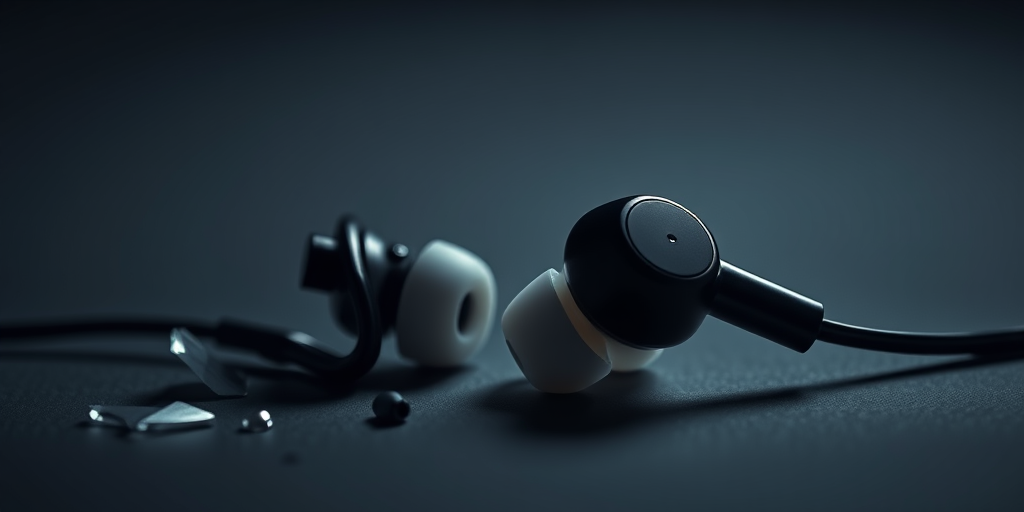
- Cheap earbuds may stop working after a few months
- Low-cost charging cases can lose battery capacity quickly
- Weak headphone hinges may crack from normal use
- Poor-quality cables often fail near the connectors
Replacing products repeatedly adds up over time. Buying multiple low-quality items can easily cost more than purchasing one reliable product with better durability from the beginning.
Poor Sound Quality Impacts Everyday Use
Another downside of ultra-cheap audio gear is inconsistent sound quality.
Common problems include:
- Muddy bass
- Distorted volume
- Weak vocals
- Harsh treble
- Audio dropouts
- Unstable Bluetooth connections
These issues can reduce enjoyment whether you’re listening to music, gaming, watching videos, or taking calls.
Good audio gear doesn’t need to be extremely expensive — but it should provide balanced, reliable performance that makes everyday listening enjoyable rather than frustrating.
Comfort Is Often Overlooked
Comfort is one area where cheap products frequently struggle.
Low-quality headphones and earbuds may use:
- Hard padding
- Poor earbud fit
- Heavy materials
- Weak headband adjustment
This becomes especially noticeable during:
- Long gaming sessions
- Remote work meetings
- Travel
- Gym workouts
- Extended music listening
A slightly better-designed product often feels dramatically more comfortable and enjoyable over time.
Cheap Accessories Can Also Cause Problems
The issue isn’t limited to headphones or speakers alone.
Cheap audio accessories like cables, adapters, and chargers often lead to:
- Connection issues
- Static or interference
- Faster wear and tear
- Device compatibility problems
Reliable accessories play a major role in maintaining stable audio performance and protecting your equipment.
Expensive Doesn’t Automatically Mean Better Either
On the other hand, not all expensive audio gear represents good value.
Some premium products carry inflated prices due to:
- Branding
- Marketing campaigns
- Influencer sponsorships
- Retail markups
- Luxury packaging
For many everyday users, paying significantly more may deliver only small real-world improvements.
The goal should be finding the middle ground: products that balance price, sound quality, durability, and useful features.
What Good Value Audio Gear Looks Like
A well-priced audio product should offer:
- Reliable sound quality
- Durable construction
- Comfortable design
- Useful modern features
- Strong compatibility
- Fair pricing
Features like long battery life, stable Bluetooth connectivity, reinforced cables, and quality materials often matter far more than flashy branding or unnecessary gimmicks.
Why Research Matters Before Buying
Before purchasing audio gear, it helps to:
- Read detailed product descriptions
- Compare features realistically
- Consider long-term durability
- Match products to your actual needs
- Avoid impulse purchases based purely on low pricing
A product that performs reliably for years is usually a far better investment than one requiring constant replacement.
How DECIBEL Focuses on Real Value
At DECIBEL, we believe there’s a major difference between “cheap” and “affordable quality.”
Our focus is on carefully selected audio gear that delivers:
- Strong performance-to-price value
- Reliable everyday durability
- Modern features people actually use
- Affordable pricing without unnecessary retail markups
Rather than stocking the cheapest possible products or heavily overpriced premium brands, we aim to offer the middle ground — quality audio gear that performs well, lasts longer, and remains accessible for Kiwi customers.
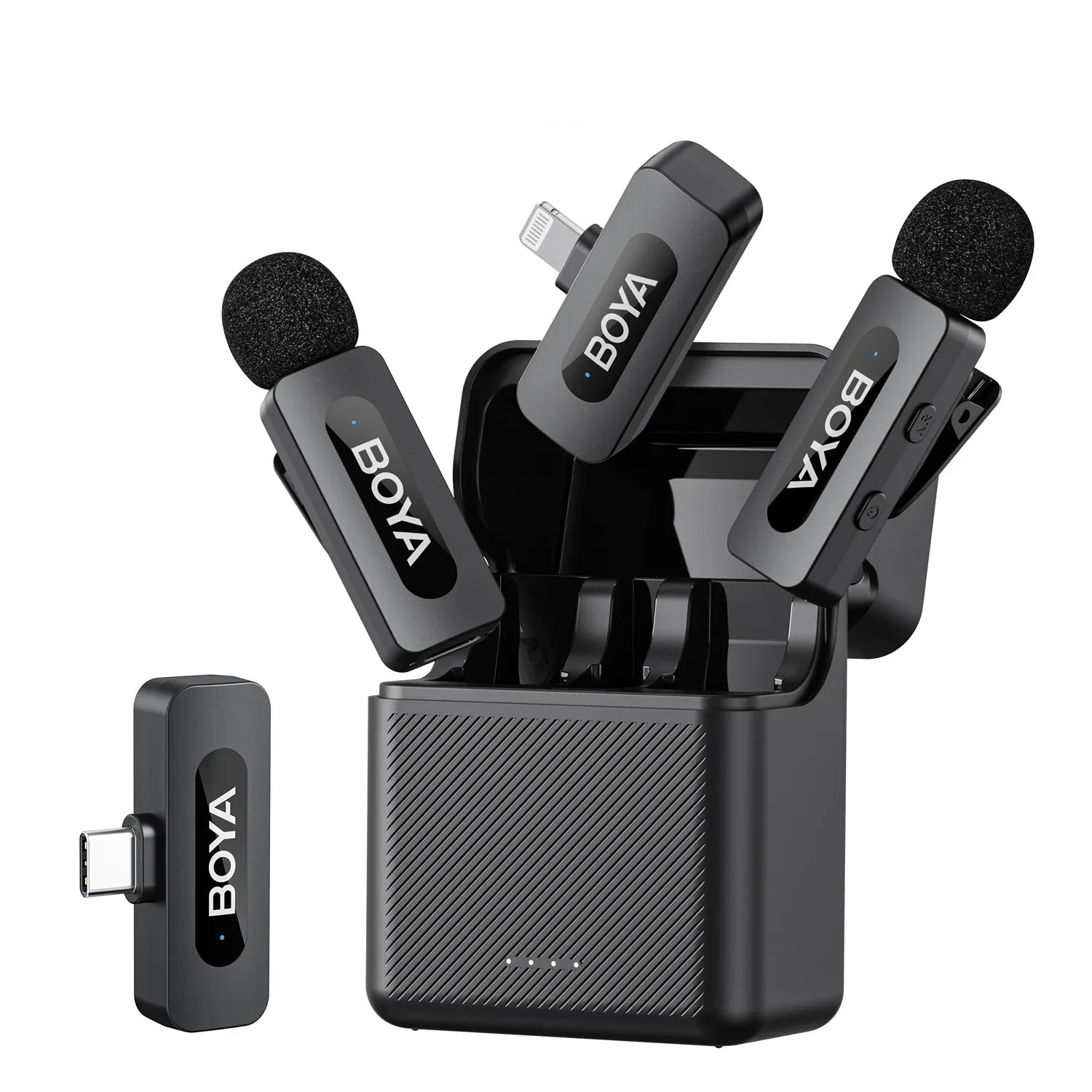
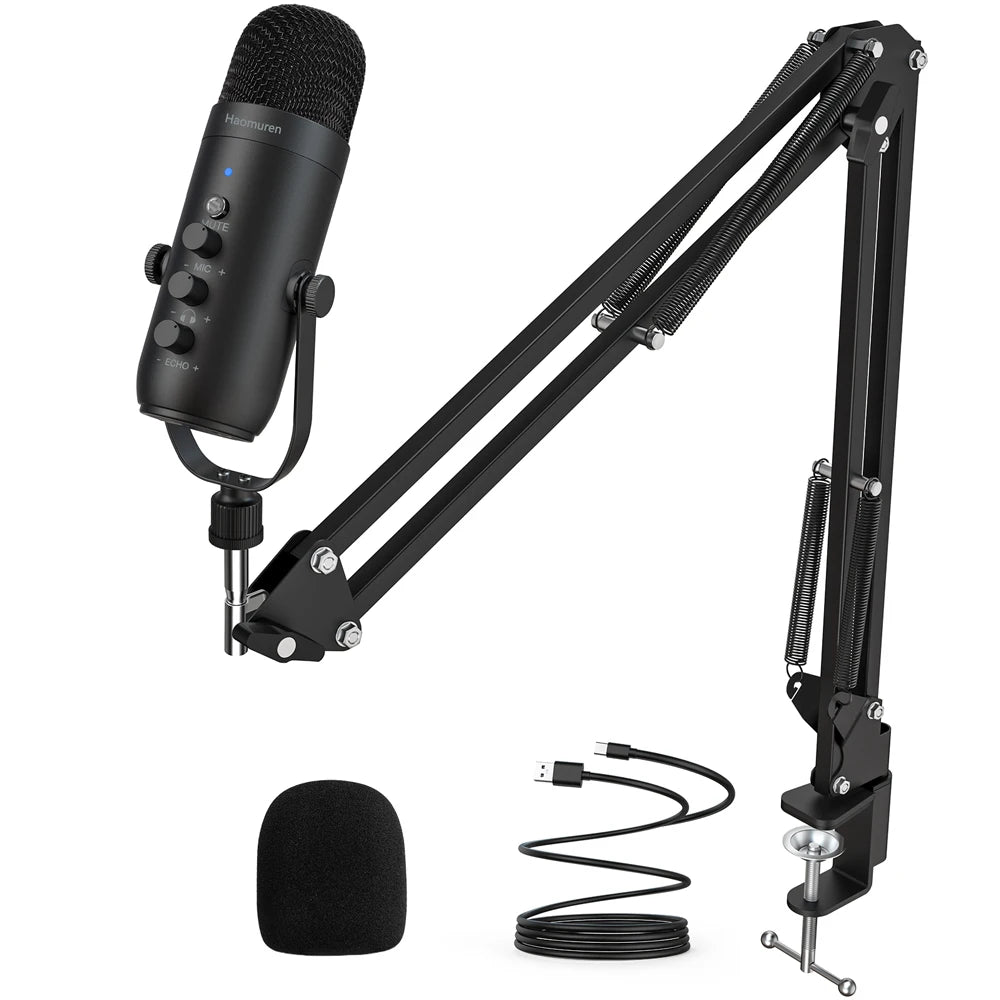
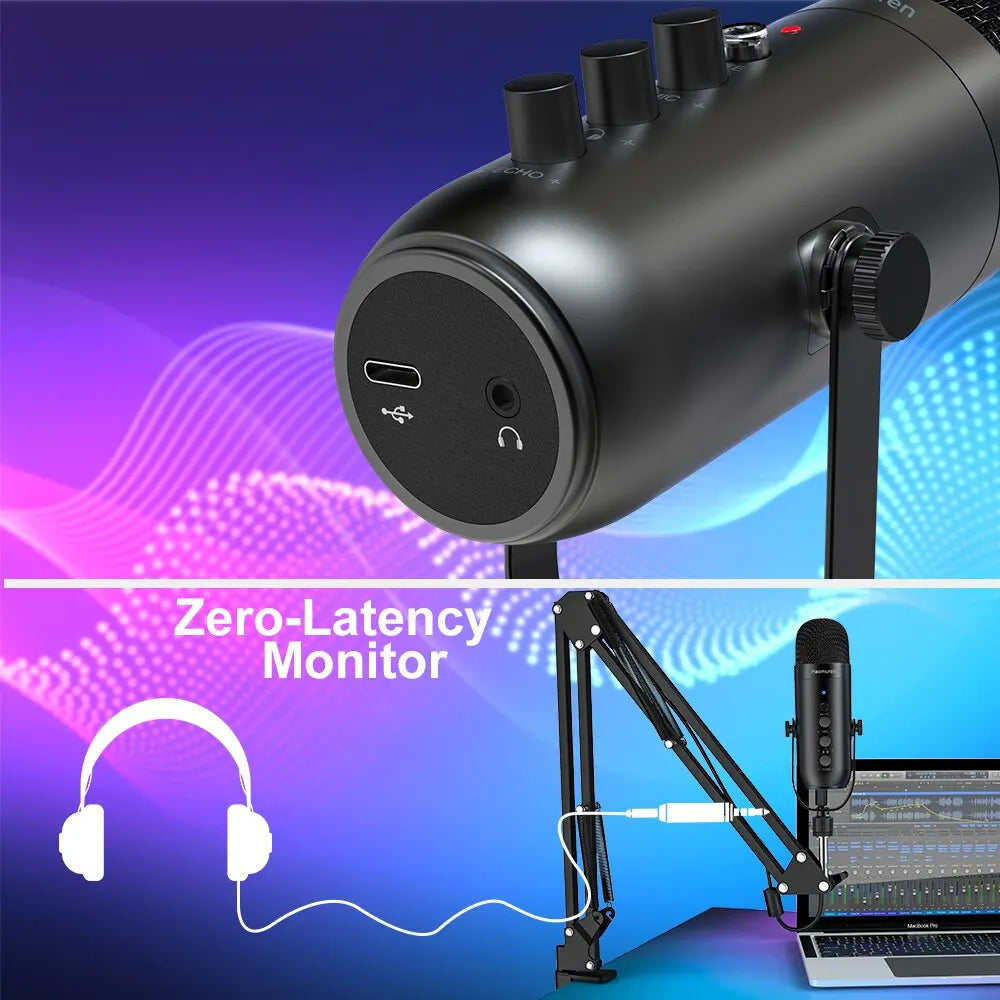
This includes headphones, speakers, earbuds, microphones, cables, and accessories selected for practical real-world use.
Final Thoughts
Cheap audio gear may seem like a bargain initially, but low durability, weak performance, and repeated replacements often make it more expensive in the long run.
The best value comes from products that balance affordability with reliable sound quality, comfort, durability, and practical features.
At DECIBEL, we focus on offering carefully selected audio gear that avoids both extremes — not cheaply made disposable products, and not overpriced hype-driven equipment either. Instead, we help Kiwi customers find affordable audio gear that genuinely delivers long-term value and enjoyable everyday performance.