When people think about improving audio quality, they usually focus on headphones, speakers, microphones, or amplifiers. Cables are often treated as an afterthought — something included in the box that simply “does the job.”
But audio cables play a far more important role than many people realise.
Poor-quality or damaged cables can introduce signal loss, interference, crackling sounds, connection issues, and unreliable performance. Even high-end headphones or speakers can underperform if the cable connecting them is unreliable.
Understanding the role cables play in audio performance can help you avoid frustrating issues, improve reliability, and protect your audio setup long term.
What Audio Cables Actually Do
Audio cables transfer sound signals between devices.
Whether connecting:
- Headphones to a phone or PC
- Speakers to an amplifier
- Microphones to an interface
- Gaming headsets to a console
…the cable acts as the pathway carrying audio information from one device to another.
If that connection is weak, damaged, or poorly made, the signal quality can suffer.
Common Problems Caused by Poor Cables
Many audio problems blamed on speakers or headphones are actually caused by faulty or low-quality cables.
Common symptoms include:
- Crackling or static noises
- Audio cutting in and out
- Weak or inconsistent sound
- Interference or buzzing
- Loose connections
- Reduced durability over time
These issues become especially noticeable with heavily used equipment like gaming headsets, portable speakers, microphones, and desktop setups.
Why Cheap Cables Often Fail Faster
Low-cost cables frequently use weaker materials and poorer construction methods.
Common weaknesses include:
- Thin internal wiring
- Weak connector joints
- Poor insulation
- Low-quality connectors
- Minimal strain protection
Over time, repeated bending, twisting, and pulling can damage these weak points and cause connection failures.
This is particularly common near the cable ends where the connector meets the wire.
Durability Matters More Than Most People Think
For everyday users, durability is one of the most important parts of a good cable.
Reliable audio cables should include:
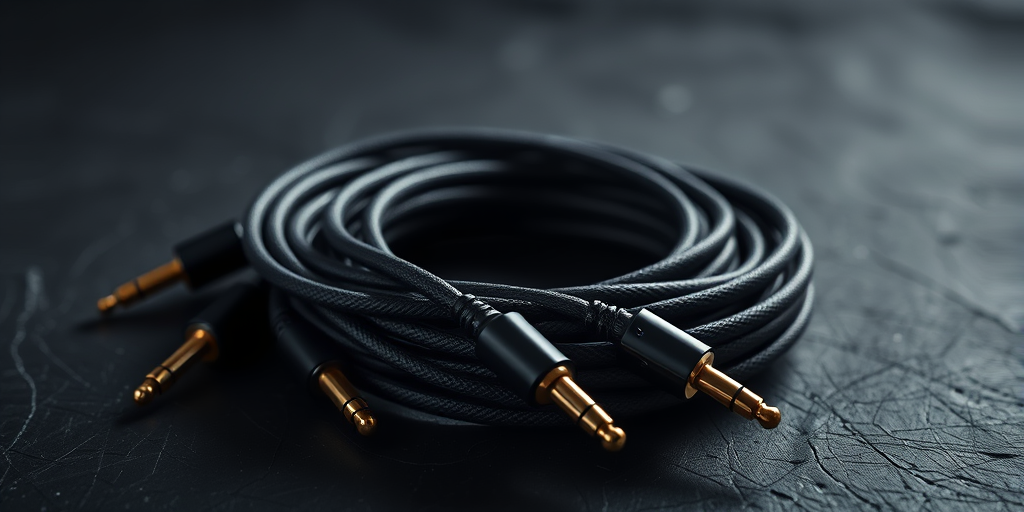
- Reinforced stress points
- Strong outer insulation
- Braided or durable cable sleeves
- Secure connector fittings
These features help cables survive regular daily use, especially for:
- Gamers
- Remote workers
- Content creators
- Students
- Travellers
A durable cable not only lasts longer but also reduces the chances of interruptions during calls, gaming sessions, or music playback.
Do Expensive Cables Improve Sound Quality?
This is one of the most debated topics in audio.
For most everyday users, extremely expensive “audiophile” cables often provide little noticeable improvement compared to well-made affordable cables.
What matters more is:
- Reliable construction
- Stable connections
- Proper shielding
- Good durability
A sensible, well-built cable usually provides far better value than an overpriced premium-branded option focused heavily on marketing claims.
Why Shielding Is Important
Shielding protects audio signals from outside electrical interference.
Without proper shielding, cables may pick up:
- Electrical buzzing
- Hum from nearby devices
- Wireless interference
- Static noise
This is especially important for microphones, desktop setups, streaming equipment, and longer cable runs.
Good shielding helps maintain clean, consistent sound quality across devices.
Choosing the Right Cable for Your Setup
Different setups require different cable types.
Common examples include:
- 3.5mm AUX cables for portable devices
- USB-C audio cables for modern phones and laptops
- XLR cables for microphones
- RCA cables for speakers and home audio systems
Before buying, it’s important to check:
- Device compatibility
- Cable length requirements
- Connector quality
- Intended use
Choosing the correct cable helps avoid unnecessary adapters and unreliable connections.
Small Accessories That Help Protect Cables
A few simple habits can dramatically extend cable lifespan.
Helpful accessories include:
- Cable organisers
- Velcro cable ties
- Protective carry cases
- Desktop cable clips
Avoiding excessive twisting or tightly wrapping cables also helps reduce internal stress and wear.
Why Reliable Cables Matter for Gaming and Remote Work
Gaming and remote work both rely heavily on stable audio performance.
Faulty cables during:
- Video calls
- Streaming sessions
- Competitive gaming
- Online meetings
- Podcast recordings
…can create interruptions, communication issues, and unnecessary frustration.
Reliable cables help maintain consistent audio quality and prevent avoidable technical problems.
How DECIBEL Focuses on Practical Audio Value
At DECIBEL, we believe audio accessories should be reliable, affordable, and built for real-world use.
That’s why we carefully select audio cables and connectors based on:
- Durability
- Stable performance
- Strong compatibility
- Everyday practicality
- Performance-to-price value
Rather than focusing on unnecessary hype, we prioritise products that help Kiwi customers build dependable audio setups without overspending.
Final Thoughts
Cables may not be the most exciting part of an audio setup, but they play a critical role in overall performance and reliability. Poor-quality cables can introduce frustrating audio problems, shorten equipment lifespan, and reduce the quality of your listening experience.
Fortunately, reliable audio cables don’t need to be expensive. Choosing well-made, properly shielded cables with durable construction can make a noticeable difference in everyday use.
At DECIBEL, we focus on affordable audio cables and connectors designed to deliver dependable performance for music, gaming, streaming, remote work, and everyday listening — helping Kiwi customers get the most from their audio gear without paying premium retail prices.